

STORM Framework
Click to download infographic
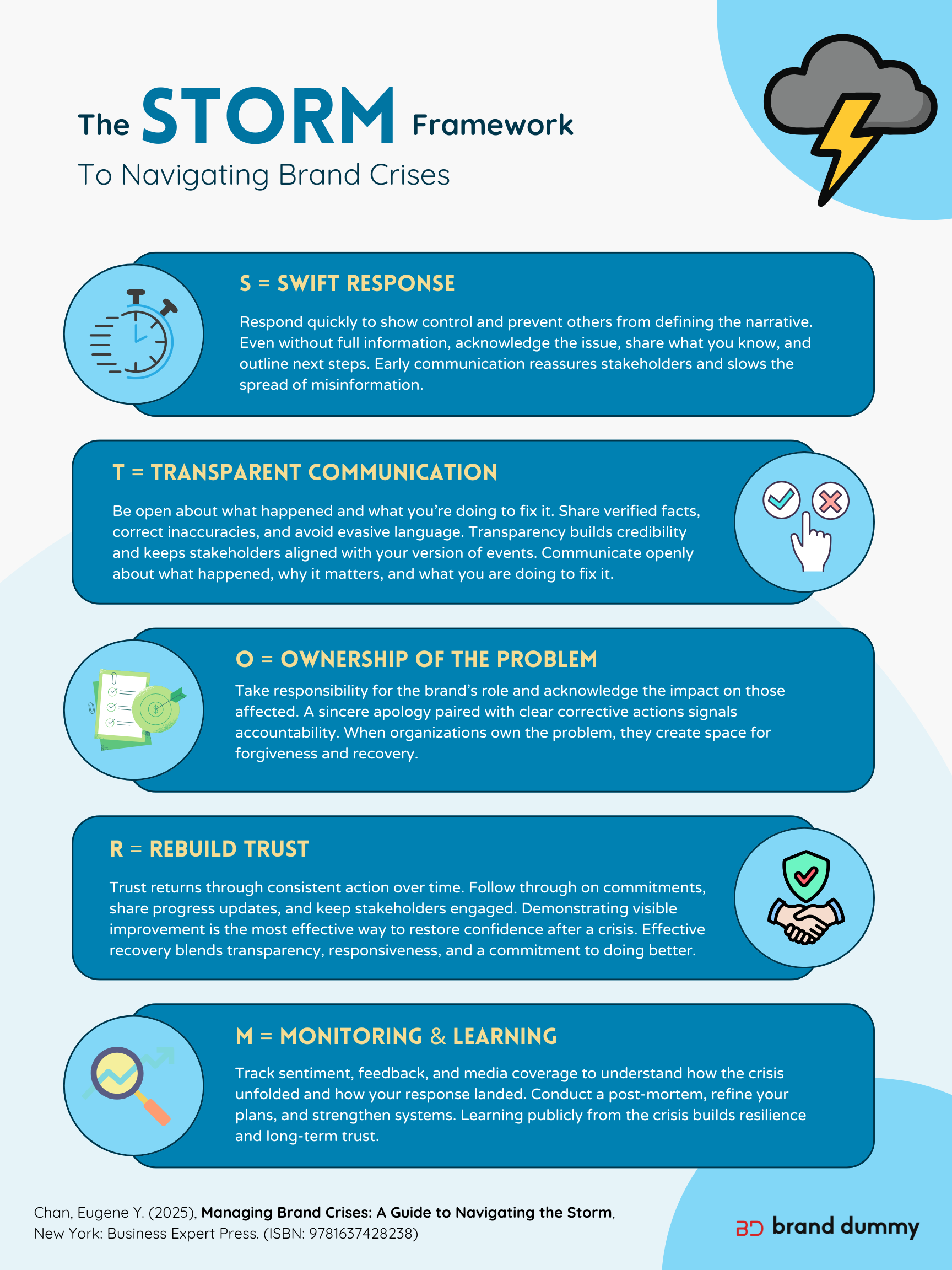
Brand crises are inevitable, but reputational damage doesn’t have to be. The STORM framework gives organizations a research‑backed, industry‑tested system for responding decisively, communicating credibly, and rebuilding trust when it matters most.
Designed for PR and communication teams, it transforms high‑stakes moments into opportunities for clarity, leadership, and long‑term resilience. It equips organizations with a structured, practical approach to navigating uncertainty while protecting stakeholder trust.
-

S = Swift Response
Acting quickly prevents others from defining the narrative and shows that the organization is in control. Even without full information, acknowledging the issue early reassures stakeholders and slows the spread of misinformation. Speed signals competence and care.
-

T = Transparent Communication
Clear, honest communication builds credibility when trust is most fragile. Sharing verified facts, correcting inaccuracies, and avoiding evasive language keeps stakeholders aligned with your version of events. Transparency reduces speculation and strengthens confidence in your leadership.
-
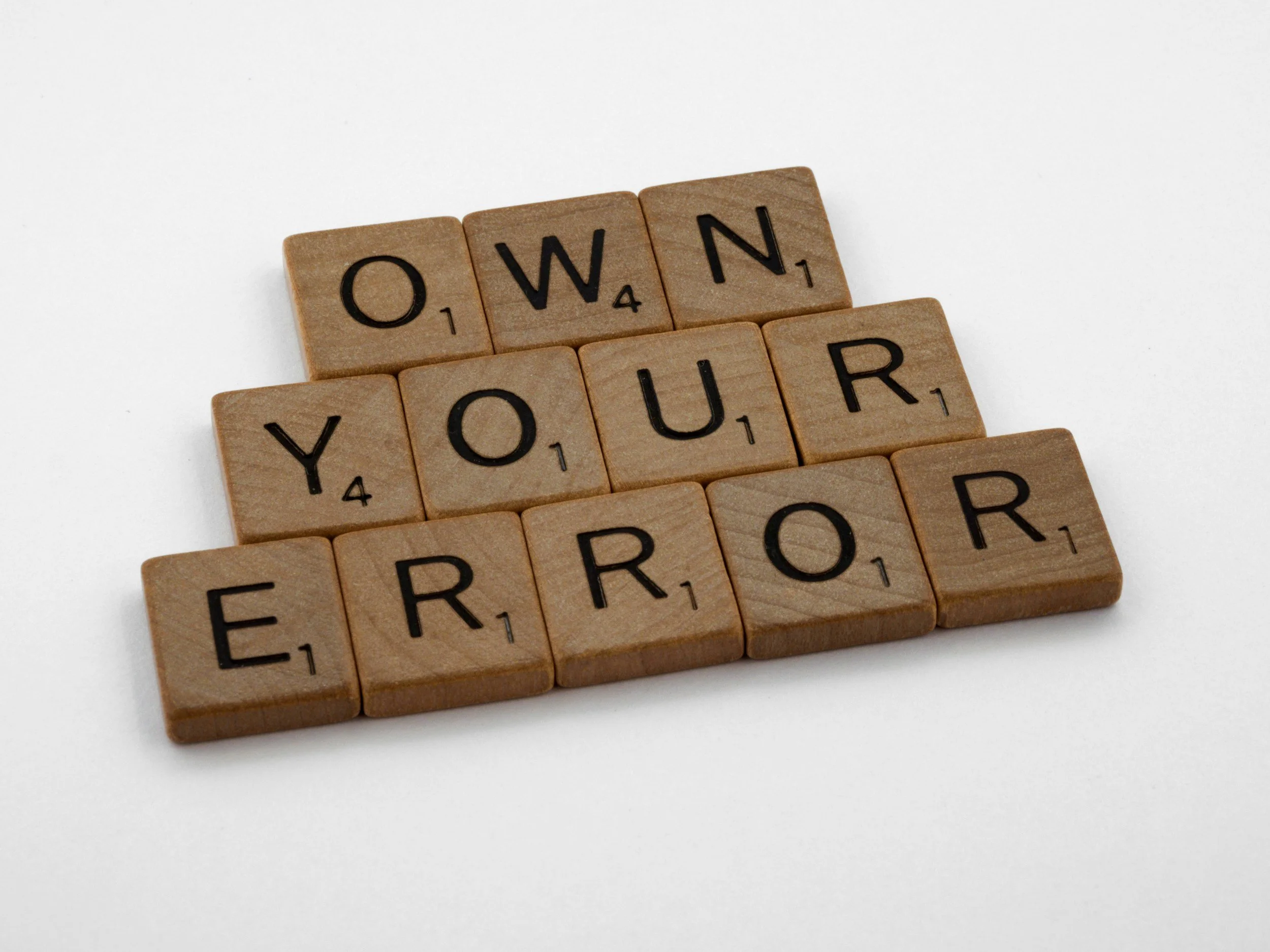
O = Ownership of the Problem
Taking responsibility demonstrates integrity and sets the foundation for recovery. A sincere apology paired with concrete corrective actions shows stakeholders that the organization understands the impact and is committed to making things right. Accountability accelerates forgiveness.
-

R = Rebuilding Trust
Trust returns through consistent, visible action over time. Following through on commitments, sharing progress updates, and engaging stakeholders directly helps repair relationships. Demonstrating improvement is more persuasive than any statement alone.
-

M = Monitoring & Learning
Effective crisis management continues long after the headlines fade. Tracking sentiment, reviewing performance, and conducting a structured post‑mortem ensures the organization learns from the experience. Turning insights into updated protocols builds long‑term resilience.
Corporate training
Brand Dummy delivers corporate training that equips teams with the skills and confidence to manage crises with clarity, speed, and credibility. Grounded in the academically-informed yet industry‑practical STORM framework, our programs turn high‑stakes moments into opportunities for leadership and trust‑building.
Our training helps your team:
Respond decisively in the first critical minutes of a crisis;
Communicate transparently and consistently across all channels;
Take meaningful ownership that strengthens stakeholder confidence;
Rebuild trust through visible, sustained action; and
Learn from crises to improve long‑term resilience.
Training formats include:
Keynotes for leadership teams;
Half‑day or full‑day workshops;
Scenario‑based crisis simulations;
Executive coaching for spokespersons; and
Custom programs tailored to your organization’s needs.
This training gives your organization a proven, research‑backed system for navigating crises with professionalism and confidence—before, during, and after the storm.
Contact us (below) for inquiries about corporate training in the STORM framework.

Managing Brand Crises: A Guide to Navigating the Storm
BUSINESS EXPERT PRESS, 2025
In an era of relentless scrutiny and digital volatility, Managing Brand Crises: A Guide to Navigating the Storm offers marketing managers and PR officials a pragmatic, pressure-tested roadmap for protecting brand trust when it matters most. Written by Eugene, a seasoned strategist and educator, this book doesn’t just diagnose reputational risk—it equips leaders to respond with clarity, speed, and integrity. Whether you're facing backlash, misinformation, or internal misalignment, this guide helps you turn turbulence into transformation.
At the heart of the book is the STORM framework, a five-part system designed to help brands assess vulnerabilities, mobilize response teams, and rebuild credibility under fire. STORM stands for Swift Response, Transparent Communication, Ownership of the Problem, Rebuilding Trust, and Monitoring and Learning—each element unpacked with real-world examples, strategic prompts, and actionable tools. It’s not theory for theory’s sake; it’s a toolkit for CMOs, communications directors, and brand custodians who need to make high-stakes decisions under pressure.